Shopping as Cultural Practice
Slow shopping means choosing quality over quantity, supporting artisans over factories, and buying things you'll treasure for decades rather than dispose of next season. What you purchase and where you buy it impacts local economies and traditional crafts.

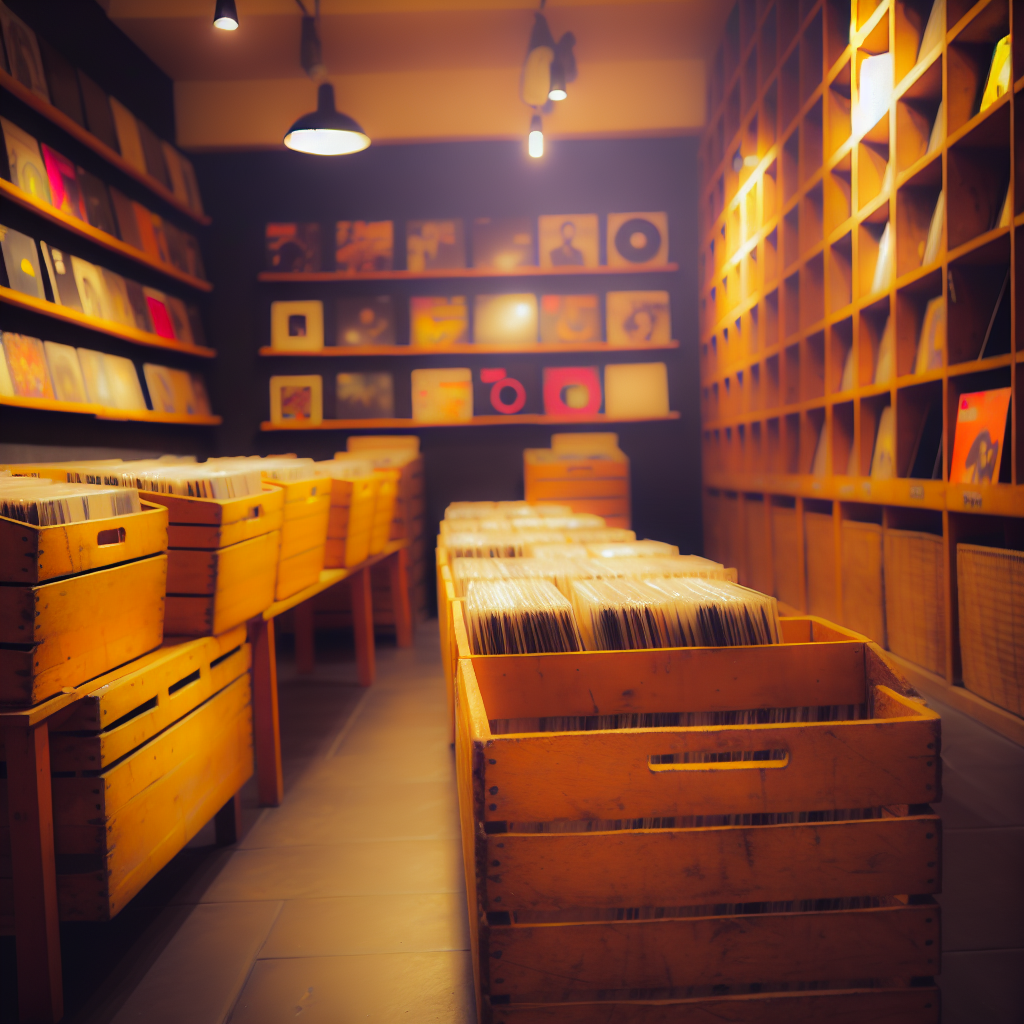
Where to Shop
Artisan Workshops
Buy directly from makers—leatherworkers, ceramicists, jewelers, weavers. You'll pay more than mass-produced alternatives, but you're supporting traditional skills and getting objects with stories. Many artisans explain their techniques and history.
Independent Bookshops
Every city we feature has exceptional independent bookstores. Buy books by local authors, pick up poetry in translation, find art books unavailable elsewhere. Books make meaningful souvenirs that continue giving long after your trip.
Markets and Food Shops
Specialty food shops, cheese mongers, spice vendors, and markets offer edible souvenirs that support local producers. Learn about regional specialties, ask for recommendations, understand what makes items special.
Antique and Vintage Shops
Pre-loved objects carry history. Antique shops in non-touristy neighborhoods often hide treasures at reasonable prices. Vintage finds are sustainable choices with more character than new production.
What to Avoid
- Tourist souvenir shops selling mass-produced imports
- Items you don't genuinely want but feel obligated to buy
- Anything made from endangered species or protected materials
- Cultural items sacred to local communities