Food as Cultural Gateway
Every cuisine tells stories—of geography, climate, history, migration, celebration, scarcity, abundance. Slow travel means learning these stories, understanding regional specialties, respecting food traditions, and eating where locals eat.

Approaching Local Cuisine
Market Education
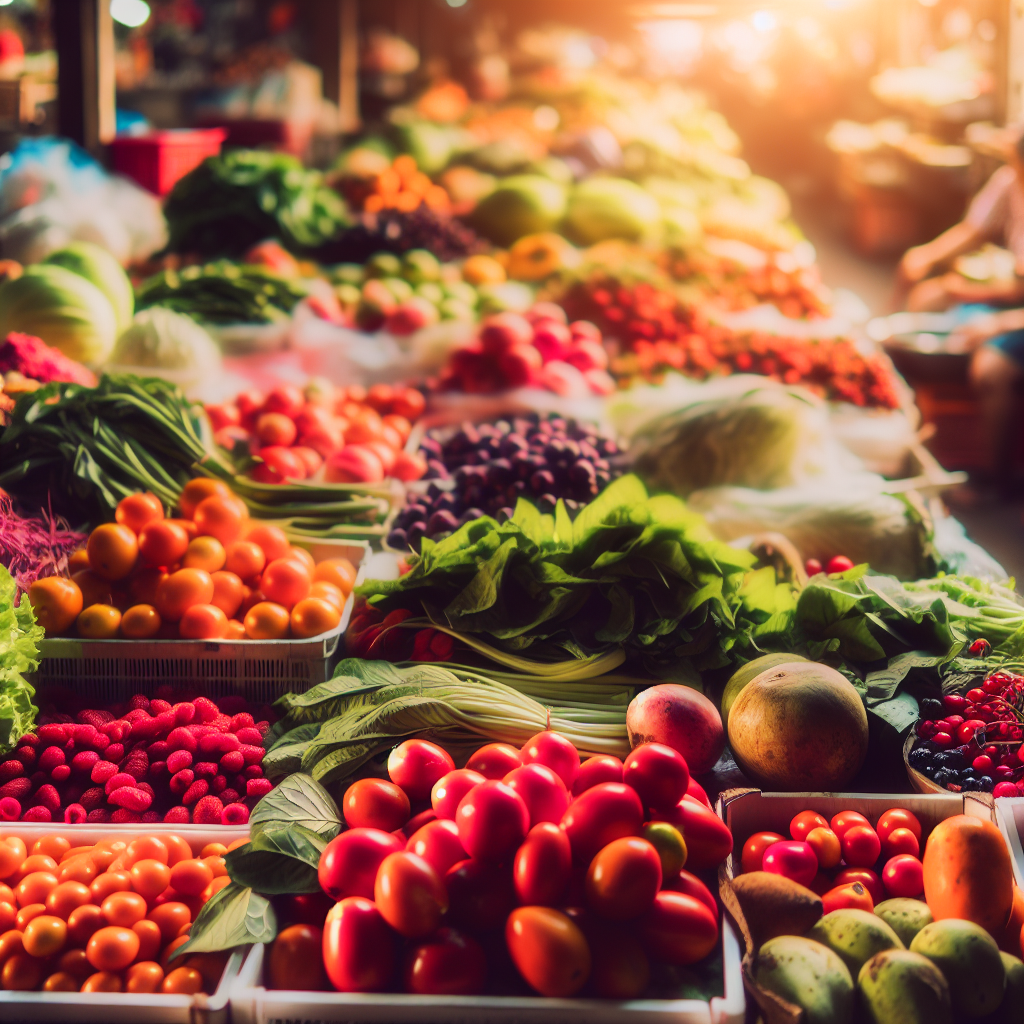
Visit food markets early and often. Learn seasonal rhythms, observe how locals shop, ask vendors questions, buy ingredients you don't recognize and ask how to prepare them. Markets reveal what people actually eat, not what tourists order.
Neighborhood Restaurants
Eat where you see locals at lunch—especially places without English menus. Don't fear not understanding; pointing and gesturing are universal. The best meals often happen in restaurants where you're the only tourist.
Food Traditions
Learn the cultural context: Why do Spaniards eat dinner at 10pm? What's the difference between a trattoria and an osteria? Why do the French separate cheese and dessert? Understanding these traditions enriches every meal.
Regional Specialties
Every region has dishes that define it. Don't order pasta carbonara in Barcelona or paella in Bologna. Research what's authentically local, then seek out traditional preparations. Seasonality matters—some specialties only appear at certain times of year.